Torn between Little Neck and Kings Grant? You’re not alone. Both are established Virginia Beach neighborhoods that attract families for their single-family homes, tree-lined streets, and access to parks and daily needs. In this guide, you’ll get a clear, side-by-side look at lifestyle differences so you can pick the fit that feels right for you. Let’s dive in.
Little Neck vs Kings Grant: Quick feel
- Both offer established, mostly single-family homes and a neighborhood feel that appeals to families.
- Differences often show up in street patterns, lot size feel, and proximity to shopping corridors.
- Your decision will likely come down to how you prioritize yard space, sidewalks, park access, and commute convenience.
Little Neck: What to expect
Housing and streets
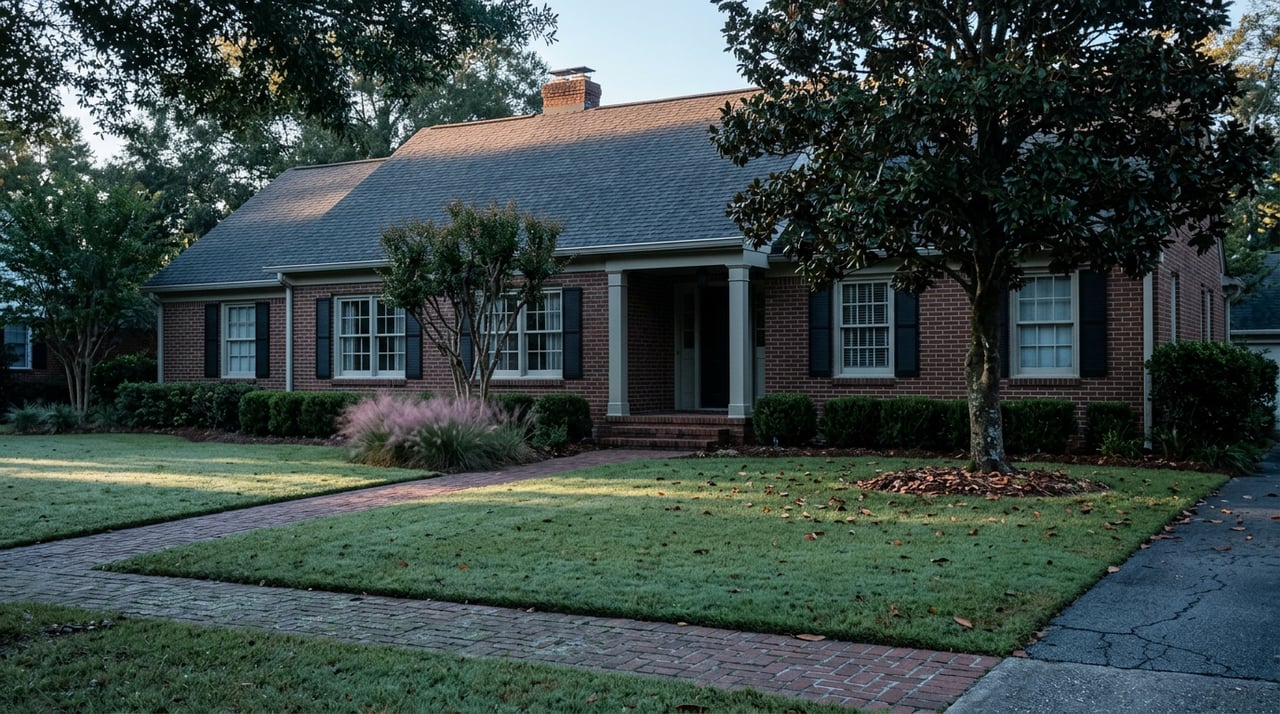
Little Neck typically reads as a mature, residential area with a mix of mid-century homes and renovations. You may notice curvy streets, cul-de-sacs, and a noticeable tree canopy in many spots. Sidewalk coverage can vary block by block, so it helps to walk the routes you would use daily.
Parks and daily life
You’re within a short drive of city parks, recreation programs, and youth sports. Families often value the quick access to playgrounds, trails, and fields. Day-to-day errands are convenient, with grocery and pharmacy options a short drive away.
Commute and access
Many buyers here commute to Norfolk, Chesapeake, or nearby bases. You have multiple ways to reach major corridors, but traffic can vary by time of day. Test your typical route during rush hour to confirm how it feels in real life.
What you might love
- Quiet, tucked-away streets in many pockets.
- Mature trees and a traditional suburban vibe.
- A mix of original homes and renovated, move-in-ready options.
Kings Grant: What to expect
Housing and streets
Kings Grant also delivers established single-family housing, often including mid-century ranches, colonials, and some infill. You may see a blend of cul-de-sacs and connector streets. Sidewalks and street lighting vary by section, so evaluate the exact blocks on your shortlist.
Recreation and daily life
Expect easy access to community recreation, lakes and green space nearby, and city parks within a short drive. Families often appreciate the organized sports, pools, and seasonal events available around the broader area.
Commute and access
Proximity to commercial corridors can simplify errands, and many residents commute to the same employment centers as Little Neck. Check peak-hour drive tests from the specific street you are considering to your workplace or base.
What you might love
- Close-in feel to daily shopping and services.
- A range of home styles and sizes to match different budgets.
- Established neighborhood character with consistent curb appeal.
Walkability, parks, and play
Both neighborhoods put you within a quick drive of parks, playgrounds, and recreation programs. If walking to parks or schools matters, confirm sidewalk continuity, crossing points, and lighting on your actual route. For biking, scout calmer streets that connect to your destinations and note any speed-calming measures like posted lower speed limits or speed humps.
Commute and errands
- Commute direction: Many residents work in Norfolk, Chesapeake, or at nearby naval installations. Drive the trip during your usual commute time to feel out traffic and potential bottlenecks.
- Errand efficiency: Compare the time it takes to pair a grocery run with pharmacy pickup and a quick dinner stop from each address. Proximity to shopping corridors can save meaningful time each week.
- Parking: On most blocks you’ll see driveways and garages, but on-street parking patterns vary. If you own multiple vehicles, note driveway length and curb parking rules.
Schools and boundaries
School assignments can change, so always verify the current elementary, middle, and high school boundary for any address you are considering. If a walkable school route is a priority, check sidewalk coverage, crossings, and whether bus transportation is available for that address. Review school programs and offerings that matter to your family, such as arts, STEM, world languages, or extracurriculars. Keep your evaluation neutral and based on official sources and your personal school tour experience.
HOAs, covenants, and upkeep
Sections of either neighborhood may have a civic league, association, or covenants. Confirm whether dues apply, what they cover, and any exterior guidelines for fences, sheds, or additions. Also note typical owner maintenance standards on the blocks you prefer, since visible stewardship often signals long-term pride of ownership.
How to tour block by block
Use this checklist during daytime and evening to compare specific streets.
A. Street and lot characteristics
- Lot frontage, backyard depth, and fence types.
- Home spacing and setbacks that affect privacy.
- Sidewalk continuity and crosswalks.
- Street lighting and tree canopy.
- On-street parking vs driveway and garage capacity.
B. Traffic and noise
- Vehicle speeds and cut-through traffic at peak times.
- Proximity to busy roads or commercial areas and the sound you notice.
- Any ambient noise from training activity or aircraft.
C. Safety and maintenance
- General condition of roofs, siding, and yards.
- Visibility at corners and intersection lighting.
- Sidewalk condition and trip hazards.
D. Walkability and access
- Walking time to the nearest park or playground.
- Safe walking or biking routes to assigned schools.
- Any nearby transit stops if that matters to your routine.
E. Community facilities and soft cues
- Playgrounds, churches, and community centers.
- Bulletin boards, event signs, and volunteer activity.
- Neighborhood watch or HOA signage.
F. Housing stock details
- Predominant home styles and foundation types.
- Garage size and driveway length for multiple cars.
- Signs of recent updates or likely near-term projects.
G. Child-safety specifics
- Speed humps, school-zone signs, and crossing guards.
- Marked crossings near parks and schools.
Which fits your lifestyle
- Young family prioritizing parks and play: Either neighborhood can work well. Focus on blocks with continuous sidewalks, nearby playgrounds, and lower-speed streets.
- Busy household wanting quick errands: Look at pockets with the shortest drive to your favorite grocery, pharmacy, and after-school activities.
- Commuter to bases or downtown: Test peak-hour drive times from a few Little Neck and Kings Grant addresses. Small differences in access can save you time daily.
- Move-up buyer seeking yard space: Tour multiple streets in both neighborhoods and measure real backyard depth and privacy. Lot feel varies block by block.
What to verify before you write an offer
- School assignment for the exact address and any announced boundary changes.
- HOA or civic league details, dues, and exterior guidelines.
- Commute time during your actual rush hour.
- Local park and recreation amenities you plan to use most.
- Typical utility providers and property tax data for the address.
Ready for a deeper, street-by-street look and a home search tailored to your lifestyle goals? Reach out to schedule a neighborhood tour and get personalized guidance from Alison McCarthy.
FAQs
How do lot sizes compare in Little Neck and Kings Grant?
- Lot feel can vary block by block in both areas, so measure backyard depth and side setbacks on the exact streets you’re considering.
Which neighborhood is more walkable to parks and schools?
- Walkability depends on sidewalk continuity, crossings, and distance from your specific address, so test your daily route on foot.
How are commutes from these areas to Norfolk or bases?
- Many residents commute to Norfolk, Chesapeake, or nearby bases, so drive your route during rush hour from the specific home you’re evaluating.
Are there HOAs or covenants in either neighborhood?
- Some sections may have an association or covenants, so verify dues, coverage, and any exterior guidelines for each property.
What home styles will I find in both neighborhoods?
- You’ll commonly see established single-family homes, including mid-century ranches, colonials, and some renovated or infill properties.
How should I compare schools for each address?
- Confirm current school boundaries for the address and review official school resources and tours to understand programs that fit your needs.