Beach breezes, quiet cul-de-sacs, or city lights — which sounds most like you? Choosing where to live in Virginia Beach shapes your mornings, your commute, and your weekends. With about 454,800 residents as of July 1, 2024, and a typical commute of roughly 23–24 minutes, the city is large, diverse, and mostly suburban in form. In this guide, you’ll compare three clear lifestyle zones — beachside, suburban inland, and Town Center urban — and learn the costs and checks that matter before you buy. Let’s dive in.
Beachside living: oceanfront, bayside, Sandbridge
Day in the life
Picture early-morning runs on the boardwalk, coffee along the ocean, and evening bike rides when the air cools. Summers bring festivals and more visitors, while winters feel calmer with year-round access to beach paths and restaurants. Seasonal trolleys help move people around the resort area in peak months, and bayfront spots offer quieter paddleboarding and kayaking. Explore the classic oceanfront experience along the Virginia Beach Boardwalk.
Homes and buildings
You’ll see a high mix of condos and mid to high-rise buildings near the water, plus small beach cottages and some single-family waterfront homes in select pockets. Many properties fall under a condo or homeowners association. Newer or recently renovated units often command higher prices per square foot compared with inland homes.
What to expect on price
As a broad pattern, oceanfront and Sandbridge homes tend to trade above the citywide median. Citywide snapshots from late 2025 to early 2026 showed medians roughly in the 390,000 to 430,000 dollar range, with higher per-square-foot pricing at the beach. Always confirm current numbers on the date you shop since beach segments can move differently than inland areas.
Pros and what to check
- Pros: direct ocean access, year-round amenities, strong walkability, and potential rental appeal.
- Check early: FEMA flood zone, elevation certificate, and potential flood insurance; HOA or condo financials and reserve studies; seasonal noise and parking dynamics; and insurance budgets. Use FEMA’s Map Service Center for address-specific flood panels and consult regional sea-level planning resources like VIMS.
Suburban inland: yards and everyday convenience
Day in the life
Most of Virginia Beach is suburban in character. Your routine likely centers on school runs, errands by car, neighborhood parks, and weekend sports. The feel is residential with shopping centers and services a short drive away. Planning literature consistently describes the city’s inland form as largely suburban. For background on suburban development patterns, see Virginia Cooperative Extension’s overview of local form and planning contexts (Virginia Tech Extension).
Homes and streets
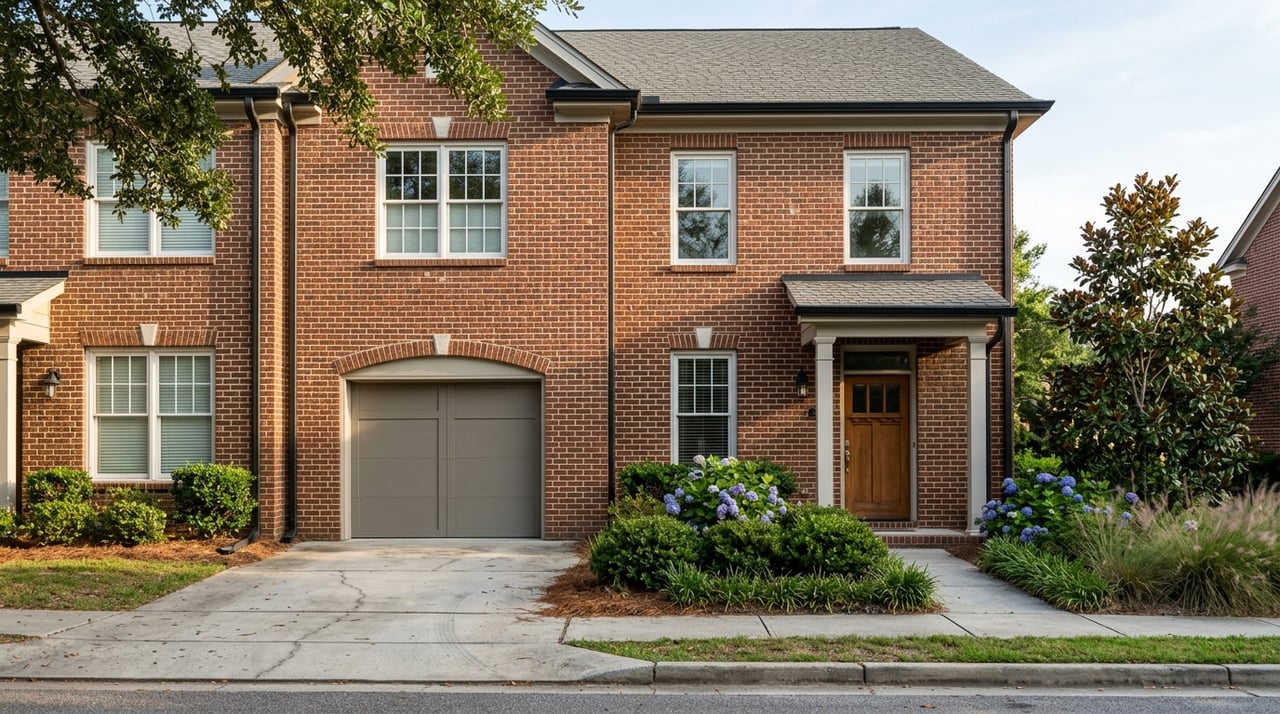
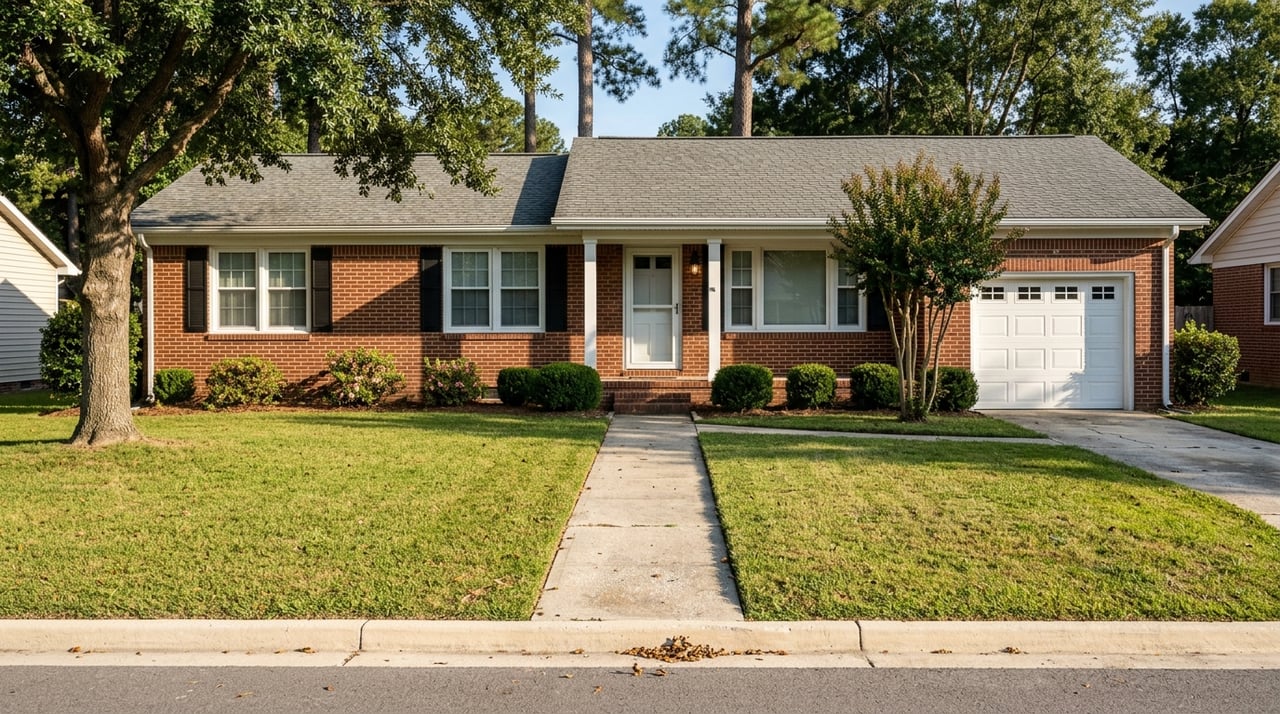
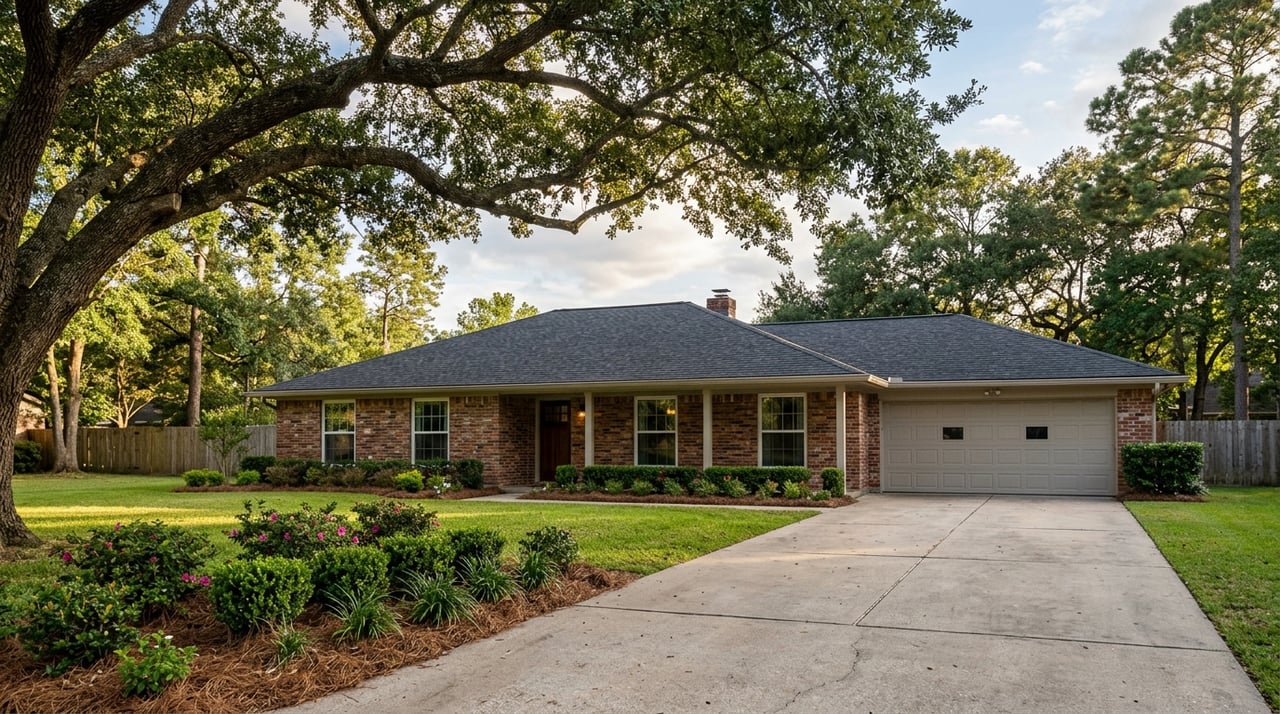
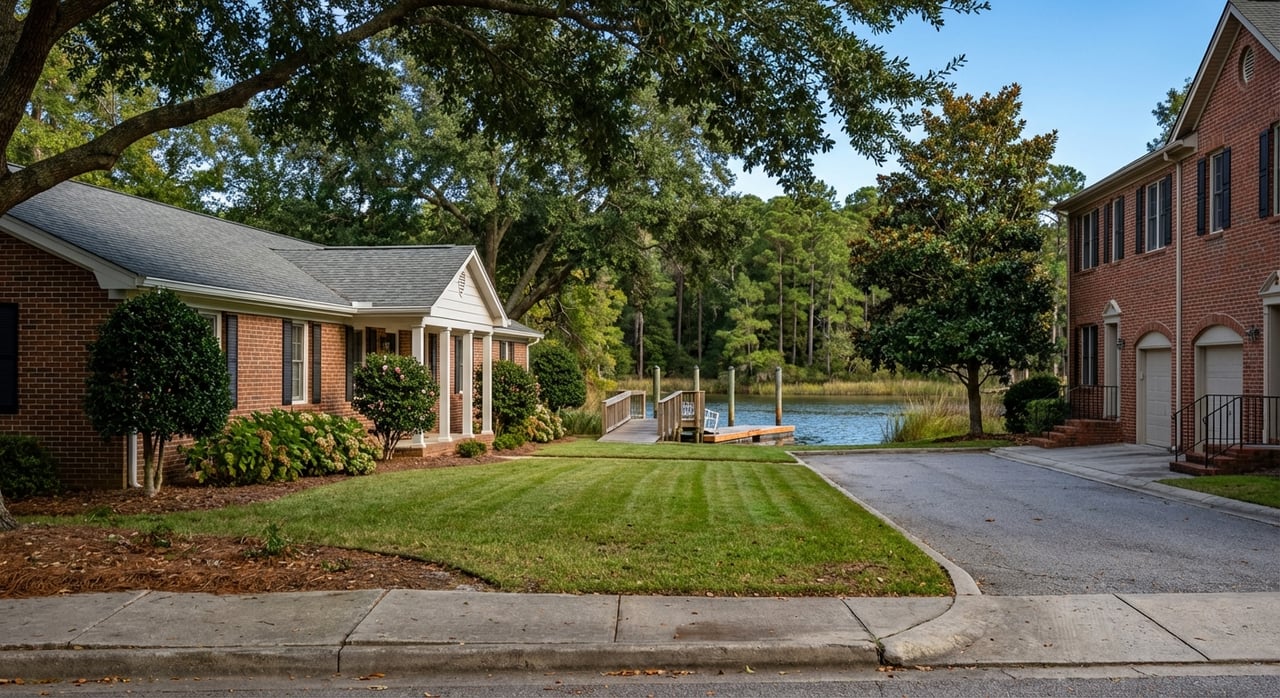
Expect a wide range of single-family homes — ranch, split-level, colonial, and newer subdivisions — along with pockets of townhomes and apartments. Owner-occupancy is common across many inland tracts, and lot sizes vary by era and subdivision. For a data snapshot of housing composition and tenure, review city profiles at Census Reporter.
Commutes and errands
Most errands happen by car. Citywide mean commute times hover around 23–24 minutes, which signals that many residents drive to work or to transit hubs. That baseline can help you estimate your own travel patterns once you pick a target area. See the latest commute data in the U.S. Census QuickFacts.
Pros and what to check
- Pros: larger lots, more private outdoor space, and lower per-square-foot prices than beachside in many cases.
- Check early: any local tidal or bay-related flooding for low-lying pockets, likely commute routes, and school attendance boundaries or specialty programs. Families can review programs and planning materials through Virginia Beach City Public Schools.
Town Center urban: walkable mixed-use
Day in the life
If you want an evening scene without driving, Town Center is the hub for dining, theaters, and concerts. Streets are walkable, with coffee shops, fitness studios, and events within a compact district. It’s a good fit if you work nearby or value a shorter in-city commute and an active night and weekend calendar. Explore the district’s venues and vibe at Town Center of Virginia Beach.
Homes and buildings
Most options are mid to high-rise apartments or condos, with some townhomes and live/work setups. Buildings are newer on average than many suburban homes. Expect structured parking and building-specific parking policies.
Pros and what to check
- Pros: high walkability, easy access to dining and entertainment, and lower reliance on a car after work.
- Check early: condo or HOA documents, reserve studies, and parking rules; fee structures; and total cost of ownership if parking is paid or limited.
Costs, taxes, insurance, and risk basics
Citywide pricing shifts month to month, and micro-markets move differently. A recent snapshot for late 2025 and early 2026 placed Virginia Beach medians around 390,000 to 430,000 dollars, with beachside segments commonly above the city median and some urban buildings showing higher per-square-foot pricing. Always verify current numbers for your exact building or neighborhood when you are ready to buy.
Run your full monthly budget with taxes and insurance included. The City’s FY2026 real estate tax rate is 0.97 dollars per 100 dollars of assessed value. You can review assessor updates and context in the city’s summary of recent assessment trends (City of Virginia Beach).
If you are considering any coastal or bay-adjacent property, include a flood and elevation check in your early research. Use FEMA’s Map Service Center to confirm the flood zone for a specific address, and ask for the elevation certificate and any recent claims history. Regional science notes that Hampton Roads is experiencing some of the nation’s fastest relative sea-level rise, so it pays to understand long-term exposure and local planning responses. Read the latest regional overview at VIMS.
Quick chooser checklist
Use this short list to narrow your fit.
Lifestyle first
- Do you want daily beach access, occasional weekends, or no beach at all?
- Do you prefer to walk to dinner and events or drive to most errands?
- Are quiet nights a priority or are you comfortable with seasonal tourism or urban nightlife?
Price reality
- Note that citywide medians in late 2025 to early 2026 were about 390,000 to 430,000 dollars, but neighborhood medians vary widely. Plan to verify live numbers by ZIP or building when you shop.
Flood and insurance
- Check FEMA flood maps for any property near water and request the elevation certificate. If the home is in a Special Flood Hazard Area, expect flood insurance and code requirements.
HOA or condo diligence
- Request financials, reserve study, rules, recent special assessments, rental policy, and coverage details. Oceanfront buildings often have higher fees.
Schools and programs
- If schools matter to you, check boundaries and programs with VBCPS. Program availability can influence your short list.
Commute and transit
- Use drive-time tools to test your routes. Citywide mean commute is about 23–24 minutes, but routes vary by job center. Town Center has broader transit links and the resort area has seasonal trolleys.
Taxes and assessments
- Use the assessor’s rate of 0.97 dollars per 100 dollars assessed (FY2026) as a starting point and plug in the current assessed value.
Resale and timing
- Track days on market and supply in your segment. Beachfront niches can be more seasonal than inland single-family homes, and condos trade differently than houses.
Noise and nightlife tradeoffs
- Visit at night and on weekends. Beachside has seasonal peaks; Town Center has year-round evening activity; many inland areas are quieter.
Side-by-side test
- Save three example listings, one in each vibe, and compare: taxes, HOA fees, flood status and elevation, commute time, days on market, and school assignment.
Your next step
If you are still split between beach breezes, a bigger yard, or walkable nights out, you are not alone. Start by mapping your daily rhythm, then pair it with real data: flood status, HOA health, commute time, and taxes. If you want a guided orientation, we can walk you through lifestyle tradeoffs, current pricing, and a short list of addresses that fit your goals. Connect with Alison Mccarthy to compare options and get your free home valuation when you are ready to move.
FAQs
Is it more expensive to live on the beach in Virginia Beach?
- Typically yes on a per-square-foot basis. Beachfront and Sandbridge segments often exceed the citywide median and can include higher insurance and HOA costs. Always compare recent comps and full monthly costs for a specific building or street.
How do I check flood risk for a Virginia Beach property?
- Look up the address in FEMA’s Map Service Center and request the property’s elevation certificate. If the home is in a Special Flood Hazard Area, plan for flood insurance and code requirements.
What if I want walkability but still prefer some private space?
- Town Center offers walkability to dining and entertainment with mostly condo and apartment living. Some buyers choose a townhome or condo for walkability and add nearby parks for green space. See the area overview at Town Center of Virginia Beach.
What are typical commute times in Virginia Beach?
- The city’s mean travel time is roughly 23–24 minutes. Your actual commute depends on your route, job center, and time of day, so test it during rush hour. See the latest baseline in U.S. Census QuickFacts.
How do property taxes work in Virginia Beach?
- Property taxes are based on the assessed value and the city’s tax rate, which is 0.97 dollars per 100 dollars of assessed value in FY2026. Review current assessment context at the City of Virginia Beach.