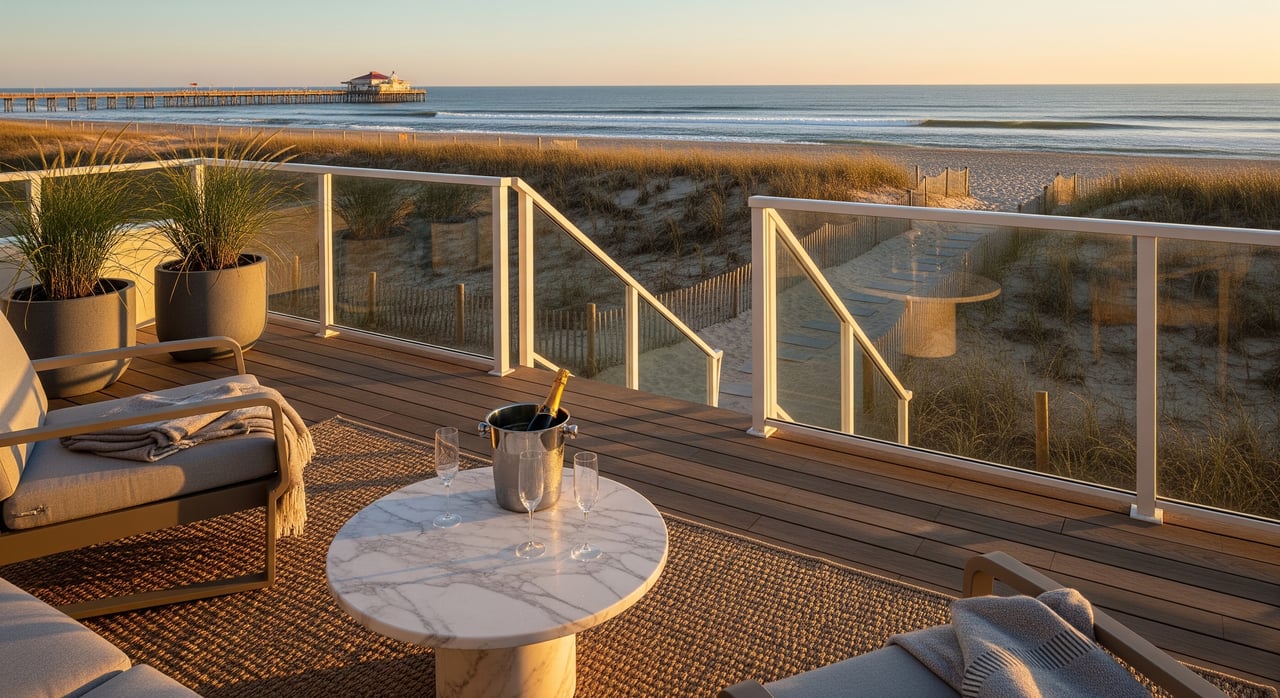
Thinking about moving to Virginia Beach but not sure which neighborhood fits your daily life? A quick weekend can answer a lot if you plan it with purpose. You want to know how the beach crowds feel in July, what a commute looks like on a weekday, and whether errands are walkable or car-dependent. This guide gives you three realistic weekend itineraries, plus checklists and links, so you can test-drive oceanfront, suburban, and Town Center living with confidence. Let’s dive in.
How to use this guide
- Bring comfortable shoes, a notebook, and a phone charger. Take notes and time your drives.
- Include at least one weekday if possible to test rush-hour traffic and service hours.
- Do a full errand run, day and night visits, and a commute simulation for each area.
- Keep expectations clear. Decide your noise tolerance, parking needs, and walkability goals before you go.
- Review basic city context with U.S. Census QuickFacts to understand the area’s size and pace.
Oceanfront test-drive: Live by the Boardwalk
Experience the core of beach living near Atlantic Avenue and the Boardwalk. You’ll see peak-season crowds, parking realities, and how daily errands work near the resort area.
Friday evening
- Check into a hotel or short-term rental near Atlantic Avenue. Note parking rules and costs.
- Walk the Boardwalk after dinner. Listen for nightlife noise and watch pedestrian activity.
- Jot down any short-term rental clusters and how that affects the feel of the block.
Saturday morning
- Grab coffee along the Boardwalk and people-watch for 30 minutes.
- Do a grocery run to the nearest market. Time the drive now and again later in the day.
- Walk a few blocks inland to compare noise levels and housing types.
Saturday afternoon
- Run three errands you’d do weekly, such as grocery, pharmacy, and a quick household item pickup. Time parking and checkout.
- Drive through nearby residential pockets like Croatan. Compare street lighting and traffic levels.
Saturday evening
- If there’s an event, check it out to feel peak volume. See the Visit Virginia Beach listings for seasonal happenings.
- Walk your block after 10 pm. Note noise, lighting, and crowds.
Sunday morning
- Take an early walk or jog on the 3-mile Boardwalk to see sunrise activity.
- Simulate a commute to Town Center or Norfolk. Time the door-to-door trip.
What to observe
- Noise patterns by hour, especially late night and early morning.
- Parking rules, metering, and summer availability.
- Beach access from potential home streets and any flood indicators.
- Ask about flood history and review the FEMA Flood Maps.
Quick tests
- Do one full errand loop by car and, if practical, part of it on foot.
- Check cell reception on the beach, in garages, and inside buildings.
- Note short-term rental density and how it might change in summer.
Suburban weekend: Yards and schools
Try family-focused neighborhoods like Great Neck, Kempsville, Bayside, or Lynnhaven for more space, parks, and shopping centers. This plan helps you test daily convenience and commute trade-offs.
Saturday morning
- Drive by a local elementary or middle school to see arrival areas and sidewalks.
- Eat breakfast at a nearby diner or cafe. Ask staff about weekend rhythms.
- Grocery run to the closest major supermarket. Note parking ease and selection.
Saturday late morning
- Cruise residential streets and cul-de-sacs at 20 mph. Observe sidewalks, lighting, and yard sizes.
- Visit a neighborhood park like Mount Trashmore or a community park. Stay 30 to 60 minutes to see who uses it and when.
Saturday afternoon
- Simulate a commute to Town Center, Norfolk, or bases. Drive during late afternoon to mimic rush hour.
- Visit a shopping center for basic errands. Check hours and dining options.
Saturday evening
- Drive the neighborhood after dark. Note lighting, traffic, and street activity.
- If community events are happening, stop by briefly.
Sunday morning
- Visit a farmers market if in season or grab coffee near a shopping center.
- Map the nearest hospital and urgent care. The regional system is Sentara Health.
What to observe
- Proximity to schools and parks. Use Virginia Beach City Public Schools boundary maps to confirm zones.
- Drive times to your top destinations at peak and off-peak hours.
- Sidewalks, bike lanes, and crosswalks that affect daily routines.
Quick tests
- Do a full grocery run and a pharmacy stop in one loop.
- Time two routes to work to discover a reliable backup.
- Ask neighbors about any recurring pains like flooding or cut-through traffic.
Town Center trial: Walkable mixed-use
Test Virginia Beach’s urbanized core for condo and apartment living near dining, retail, and offices. You’ll evaluate walkability, transit, and nighttime activity.
Friday evening
- Stay at a Town Center hotel or short-term condo.
- Walk to dinner and a cafe. Notice sidewalk life and evening noise.
- Check guest parking options if you plan to host friends.
Saturday morning
- Walk to coffee, then pick up light groceries to test carrying items home.
- Tour a fitness center to understand hours and membership.
Saturday midday
- Knock out a couple of errands on foot, like pharmacy or dry cleaning.
- If open houses are nearby, visit to see HOA rules and amenities.
Saturday afternoon
- Ride an HRT bus to gauge frequency and comfort. Plan with Hampton Roads Transit routes and schedules.
- Drive a commute out of Town Center at peak times to test congestion.
Saturday night
- Sample a concert or lounge. Walk back after 10 pm to assess lighting and security.
What to observe
- Condo or HOA expectations, guest parking, and deliveries.
- Evening noise levels and building sound insulation.
- How many daily needs are within a 10 minute walk.
Quick tests
- Measure how long it takes to grab groceries and return on foot.
- Invite a friend to visit and test guest parking after 7 pm.
What to test everywhere
- Commutes and routes. Drive I-264, Shore Drive or Nimmo Parkway, Atlantic Avenue, and First Colonial Road at different times.
- Parking. In oceanfront and Town Center areas, expect paid garages or meters. Check the City of Virginia Beach for parking rules and public garages.
- Walkability. Use Walk Score to preview daily convenience, then verify by doing errands on foot.
- Groceries and services. Identify the nearest supermarket, pharmacy, and 24 hour options.
- Healthcare access. Map urgent care and hospitals, including Sentara Health. Note drive times during peak hours.
- Schools and childcare. Confirm zones on Virginia Beach City Public Schools, then plan in person visits if you get serious.
- Flood risk and insurance. Review the FEMA Flood Maps. Ask about flood history, elevation, and insurance requirements.
- Outdoor recreation. Visit the Boardwalk, Mount Trashmore, and trails at First Landing State Park to test your weekend routine.
- Utilities and connectivity. Test cell reception in several spots and ask about internet options on the specific block.
When to visit and where to stay
- Peak summer. Memorial Day to Labor Day shows the most crowded version of oceanfront life, plus peak parking demand.
- Shoulder seasons. Spring and fall give you realistic daily life without festival crowds.
- Winter. Quiet and easy parking. Some seasonal businesses close, which can help you test what daily life feels like long term.
- Where to stay. Choose oceanfront hotels or Sandbridge rentals for beach living, Town Center hotels for mixed-use convenience, and suburban short-term rentals in areas like Great Neck or Kempsville for residential testing.
- Events. Check Visit Virginia Beach for festivals and seasonal activities that affect traffic and noise.
Quick printable checklist
- Drive my commute during morning and evening rush hours and time it.
- Do one full set of errands on foot if possible: coffee, grocery, pharmacy.
- Visit a neighborhood park and stay 30 to 60 minutes to observe users.
- Visit a local grocery and compare prices and selection.
- Test cell reception inside a prospective house or condo.
- Look for signs of prior flooding or elevation markers on the block.
- Ask two locals about parking, noise, or flooding concerns.
Next steps
- Schools. Confirm zones and programs through Virginia Beach City Public Schools.
- Transit. If you plan to ride, review Hampton Roads Transit routes and test a ride.
- Flood risk. Check the FEMA Flood Maps and ask for insurance quotes early.
- City services. Review parking and local services on the City of Virginia Beach.
- Outdoor living. Walk Boardwalk segments and explore First Landing State Park trails to confirm your weekend routine.
If a neighborhood weekend clicks, schedule weekday showings to confirm commute times and service hours. For local insight and a smooth plan from scouting to closing, connect with Alison McCarthy to map your next visit and shortlist homes.
FAQs
How can I test commute times in Virginia Beach on a short trip?
- Drive your target route twice during peak hours and once off-peak, using the same start and end points. Time the full door-to-door trip and save results in your notes.
What season is best to evaluate oceanfront living?
- Visit in peak summer to feel worst-case traffic, noise, and parking. If you prefer typical daily life, try spring or fall for a balanced view of crowds and convenience.
How do I check Virginia Beach school zones before touring homes?
- Use Virginia Beach City Public Schools boundary maps to verify zoning, then call schools about programs and visits. Confirm zones again before making an offer.
How do I evaluate flood risk for a property near the water?
- Review the FEMA flood maps, ask about past flooding and elevation, and request insurance quotes early. Walk the block for signs like raised foundations or sandbags.
What should I look for if I want walkable living near Town Center?
- Check if daily errands are within a 10 minute walk, confirm guest parking, and try a bus ride. Do a grocery carry test to see if walking works for weekly needs.
How do I gauge neighborhood noise at night?
- Visit twice after 10 pm, once on a weekday and once on a weekend. Stand on the block for 10 minutes and note music, traffic, and crowd levels, plus lighting and foot traffic.