If you are choosing between a water-oriented home and an inland home in Virginia Beach, you are really choosing between two different ways of living. One offers quick access to the beach, boating, and a more coastal day-to-day rhythm. The other often offers a simpler ownership experience with fewer water-related cost variables. When you understand how Virginia Beach is shaped by water, flood zones, maintenance, and daily access, it becomes much easier to decide what fits your goals. Let’s dive in.
Why Virginia Beach Feels So Different
Virginia Beach is not a typical inland city with a beach on the side. It is deeply shaped by water, with five major watersheds across the city. The Southern Rivers watershed alone covers about 205 square miles, or 67% of city limits.
That matters when you shop for a home. The city’s flood-protection planning, road-raising work, and sea-level-rise response all show that water affects daily life, long-term costs, and property decisions in very real ways. In Virginia Beach, location is not just about commute and amenities. It is also about how closely you want to live with the water itself.
What Water-Oriented Homes Offer
Water-oriented homes usually appeal to buyers who want direct access to the lifestyle that draws so many people to Virginia Beach in the first place. Depending on the area, that can mean easier access to swimming, surfing, sunrise walks, boating, kayaking, and seasonal beach services.
The city supports that active coastal lifestyle in practical ways. For example, Virginia Beach highlights access points and amenities tied to the shoreline and recreation, including beach use and coastal protection efforts. The city also supports boating and paddling through facilities like Owl Creek Boat Ramp and seasonal transit connections serving the Oceanfront, Rudee Loop, the Virginia Aquarium, and the Bayfront.
For many buyers, that access is the whole point. If you expect to use the water often, living closer to it can make your routine feel more enjoyable and more convenient.
Coastal Lifestyle Benefits
A water-oriented home may be a strong fit if you want:
- Easier access to beaches and waterfront recreation
- A more active outdoor routine
- Closer proximity to boating or kayaking launch points
- A home environment tied to the Oceanfront or Bay lifestyle
- Stronger day-to-day connection to Virginia Beach’s coastal identity
That said, convenience near the water often comes with more activity around you. The Resort Area has seasonal paid parking from April 1 through October 31, and peak pricing may apply during high-demand periods. For some buyers, that is a fair trade. For others, it can make everyday errands and guest parking less simple.
What Inland Homes Usually Offer
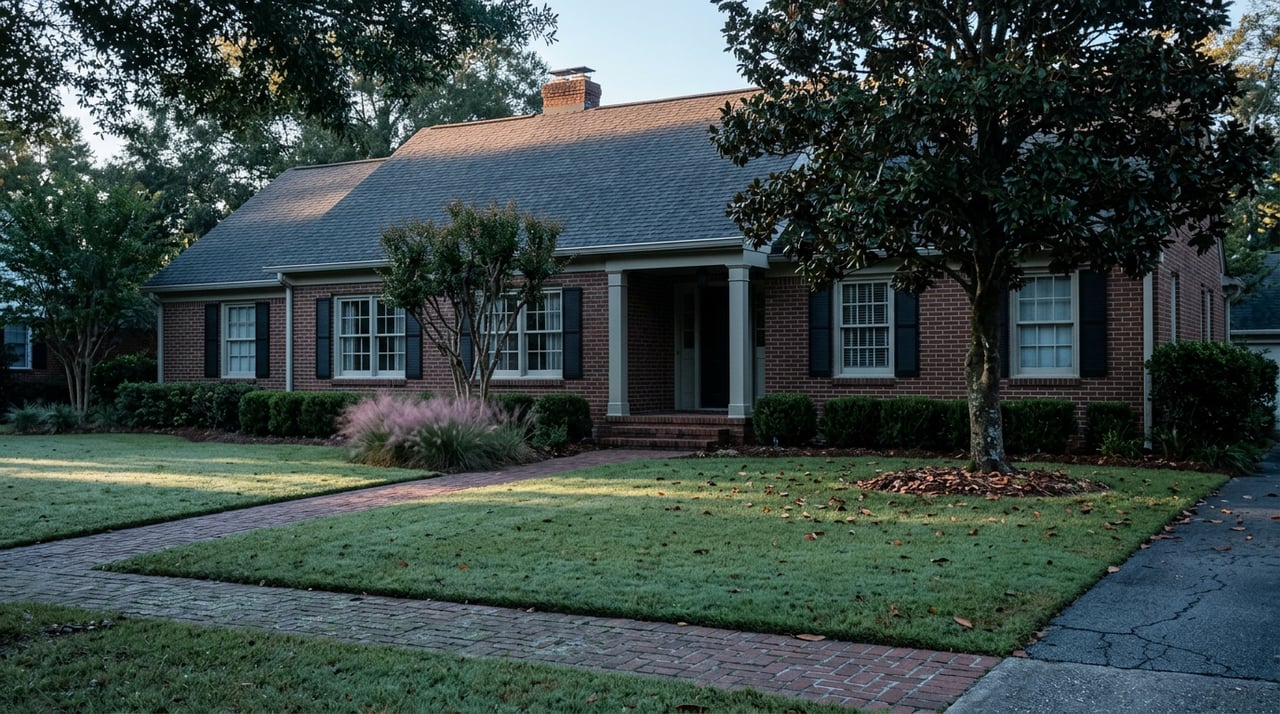
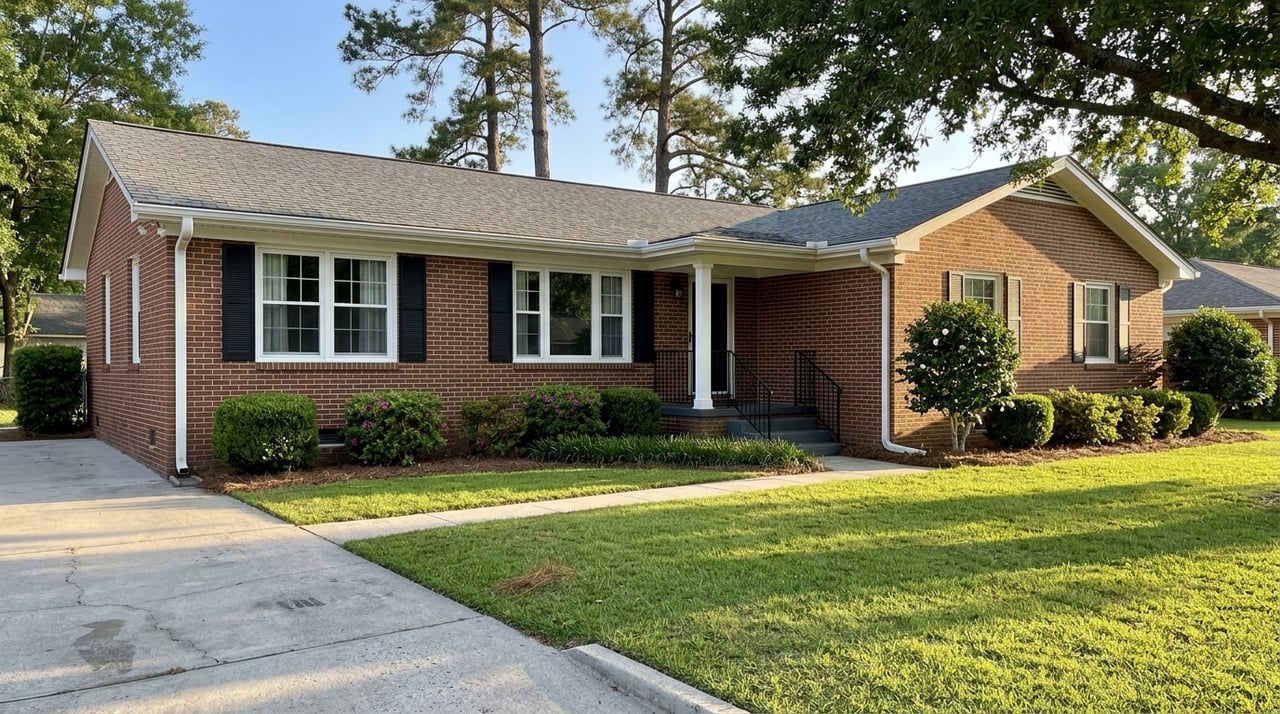
Inland homes in Virginia Beach often appeal to buyers who want more separation from tourism-heavy areas and a more straightforward day-to-day routine. That does not mean inland neighborhoods lack character or convenience. It simply means the pace can feel different.
City planning descriptions help show that difference. In places like Old Beach, planning reflects a resort-adjacent setting with coastal residential character. By contrast, areas such as Pembroke are described in city planning materials as having a more classic suburban development pattern, while Seatack includes primarily single-family modest vernacular dwellings in styles like Ranch, Craftsman, and Colonial Revival, according to the city’s planning resources.
For buyers, the practical takeaway is simple. Water-oriented areas often feel more coastal and resort-connected, while inland areas more often feel like conventional suburban single-family environments.
Inland Living Advantages
An inland home may be a better fit if you value:
- A less resort-driven daily routine
- Fewer location-specific coastal cost factors
- More conventional suburban housing patterns
- Simpler parking and access in many areas
- A lifestyle where water access is available, but not central to every day
Flood Risk Is the Biggest Practical Difference
No matter which style of home you prefer, flood risk should be one of the first things you check. Virginia Beach participates in the National Flood Insurance Program, and the city provides guidance on floodplain management, flood zones, and elevation certificates.
If a home is in a Special Flood Hazard Area, and you are using a government-backed mortgage, flood insurance is required. FEMA and FloodSmart classify A zones as high-risk and V zones as coastal high-risk. Those details can affect both your financing and your monthly housing budget.
It is also important to know what is not covered. According to FloodSmart, most homeowners insurance policies do not cover flood damage. That means flood coverage is usually a separate policy, not something automatically bundled into standard homeowners insurance.
Inland Does Not Mean Flood-Free
This is where many buyers get tripped up. An inland location may lower certain water-related concerns, but it does not remove flood risk altogether.
Virginia Beach stormwater guidance explains that rainfall flooding can happen anywhere in the city. Inundation flooding from tides or wind-driven water is usually associated with areas near the water, but it can happen with or without rain. FEMA also notes that low- and moderate-risk zones still account for a meaningful share of flood claims.
So if you are comparing a water-oriented home to an inland one, avoid thinking in absolutes. The better question is not “Can this area flood?” The better question is “What type of flood risk exists here, and what does that mean for insurance, improvements, and peace of mind?”
Compare Costs Beyond the Price Tag
The purchase price is only part of the decision. In Virginia Beach, the ongoing cost difference between a water-oriented home and an inland home often shows up in insurance, maintenance, and property requirements.
Virginia Beach currently maintains a Community Rating System Class 7 rating, which gives residents and business owners a 15% discount on flood insurance premiums. That is helpful, but it does not remove the need to budget carefully for flood coverage where applicable.
Costs More Common Near the Water
A water-oriented property may come with added ownership considerations such as:
- Flood insurance requirements depending on zone and loan type
- Possible wind and flood policy coordination
- Elevation or mitigation requirements based on zone and location
- More wear from salt spray and moisture exposure
- Seasonal parking rules in some coastal areas
Virginia Beach also notes that floodplain rules can vary by location, including extra fill restrictions in the southern part of the city. Virginia Tech Extension guidance cited in the research also notes that salt spray can damage plants and coastal conditions can speed up corrosion of metal fasteners and connectors.
Maintenance Looks Different Near the Coast
One of the biggest lifestyle differences is not just where you live. It is what you maintain.
The city’s beach replenishment work exists because storms, waves, and wind create ongoing erosion pressures. The city says these projects have helped avert an estimated $1 billion in storm-related damages since 2002. That is a strong reminder that coastal living is supported by active public infrastructure and ongoing environmental management.
For homeowners, that often translates into a more hands-on approach. Salt air, corrosion, and exposure can affect materials and exterior upkeep over time. Inland homes can still have maintenance needs, of course, but coastal conditions often add another layer to your planning.
Which Home Type Fits Your Lifestyle?
The best choice usually comes down to how often you want to use the water and how comfortable you are with the tradeoffs that come with proximity.
If you picture yourself walking to the shore, launching a kayak, or spending regular time around beach and waterfront activity, a water-oriented home may be worth the extra planning. If you want access to all that while keeping your day-to-day homeownership profile a bit simpler, an inland home may feel like the better match.
Here is a quick way to think about it:
| If you want... | You may prefer... |
|---|---|
| Frequent beach or boating access | Water-oriented home |
| A more coastal daily lifestyle | Water-oriented home |
| Simpler ownership variables | Inland home |
| Less tourism-related activity nearby | Inland home |
| More conventional suburban patterns | Inland home |
Smart Questions to Ask Before You Buy
Before you make an offer on any Virginia Beach home, it helps to ask a few location-specific questions early.
- What flood zone is the property in?
- Is it in an A zone or V zone?
- Will your lender require flood insurance?
- Is an elevation certificate available?
- What separate insurance coverage may be needed for flood or wind?
- Are there parking, access, or seasonal activity factors that affect daily use?
- What maintenance should you expect because of coastal exposure?
A cautious first step is to verify the flood zone using the city’s floodplain tools or FEMA resources, then review coverage options with your lender and insurance professional before moving forward.
Choosing between a water-oriented home and an inland home in Virginia Beach is really about matching the property to your lifestyle, budget, and comfort with long-term ownership costs. If you want help weighing those tradeoffs neighborhood by neighborhood, Alison Mccarthy can help you narrow your options and find the right fit for how you want to live.
FAQs
What is the difference between water-oriented and inland homes in Virginia Beach?
- Water-oriented homes usually offer closer access to beaches, boating, kayaking, and other coastal activities, while inland homes often provide a less resort-driven daily routine and a simpler ownership profile.
Do water-oriented homes in Virginia Beach always require flood insurance?
- Not always, but if the home is in a Special Flood Hazard Area and you are using a government-backed mortgage, flood insurance is required according to FloodSmart eligibility guidance.
Can inland homes in Virginia Beach still flood?
- Yes. The city states that rainfall flooding can happen anywhere in Virginia Beach, and even lower-risk areas can still generate flood claims.
Is flood damage included in standard homeowners insurance in Virginia Beach?
- No. Most homeowners insurance policies do not cover flood damage, so flood insurance is generally a separate policy.
What extra ownership costs should you expect near the water in Virginia Beach?
- Depending on the property, you may need to budget for flood insurance, possible mitigation or elevation work, more exterior maintenance from salt spray and corrosion, and seasonal parking considerations in some coastal areas.
What should buyers check first when comparing homes in Virginia Beach?
- Start by confirming the property’s flood zone, asking whether flood insurance may be required, and reviewing likely insurance and maintenance costs before making an offer.