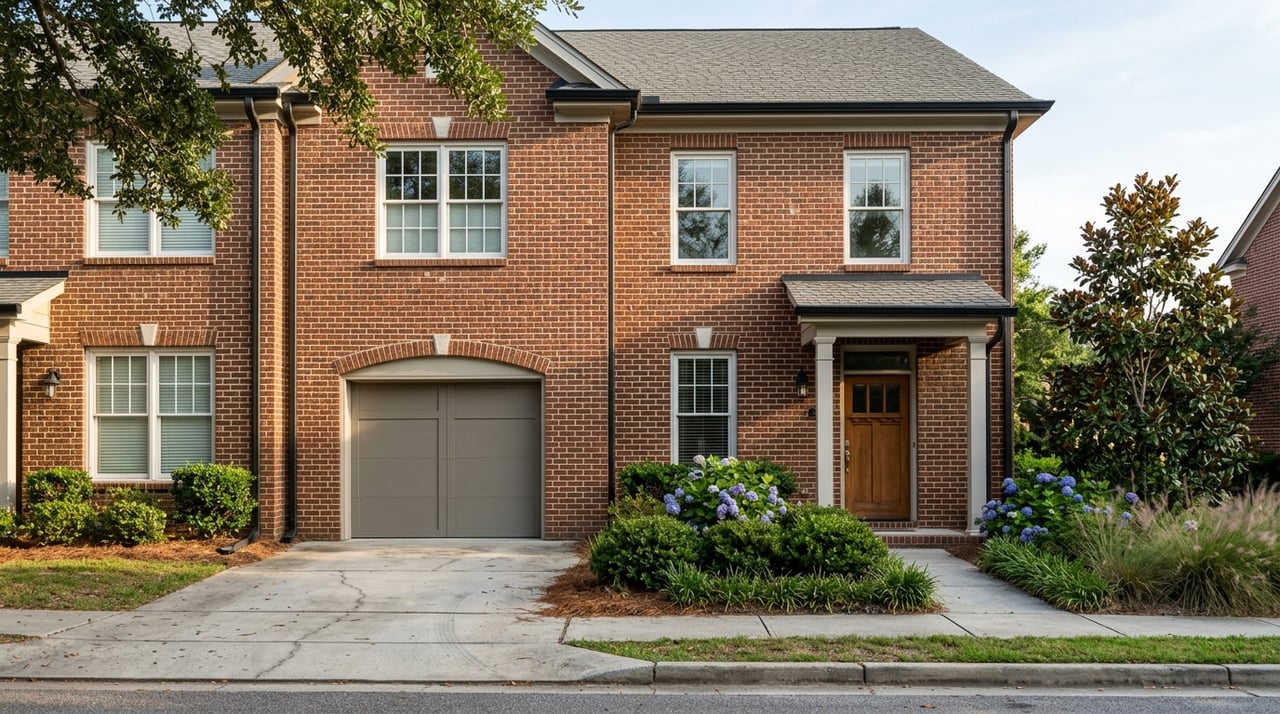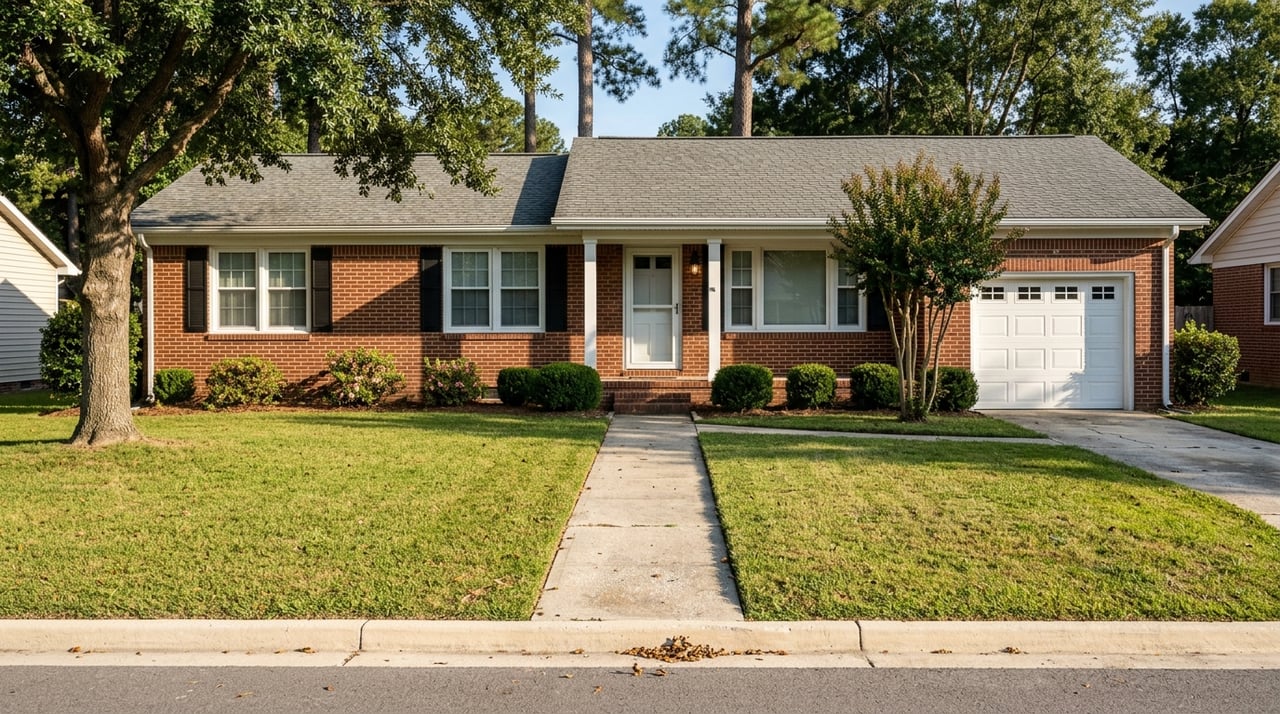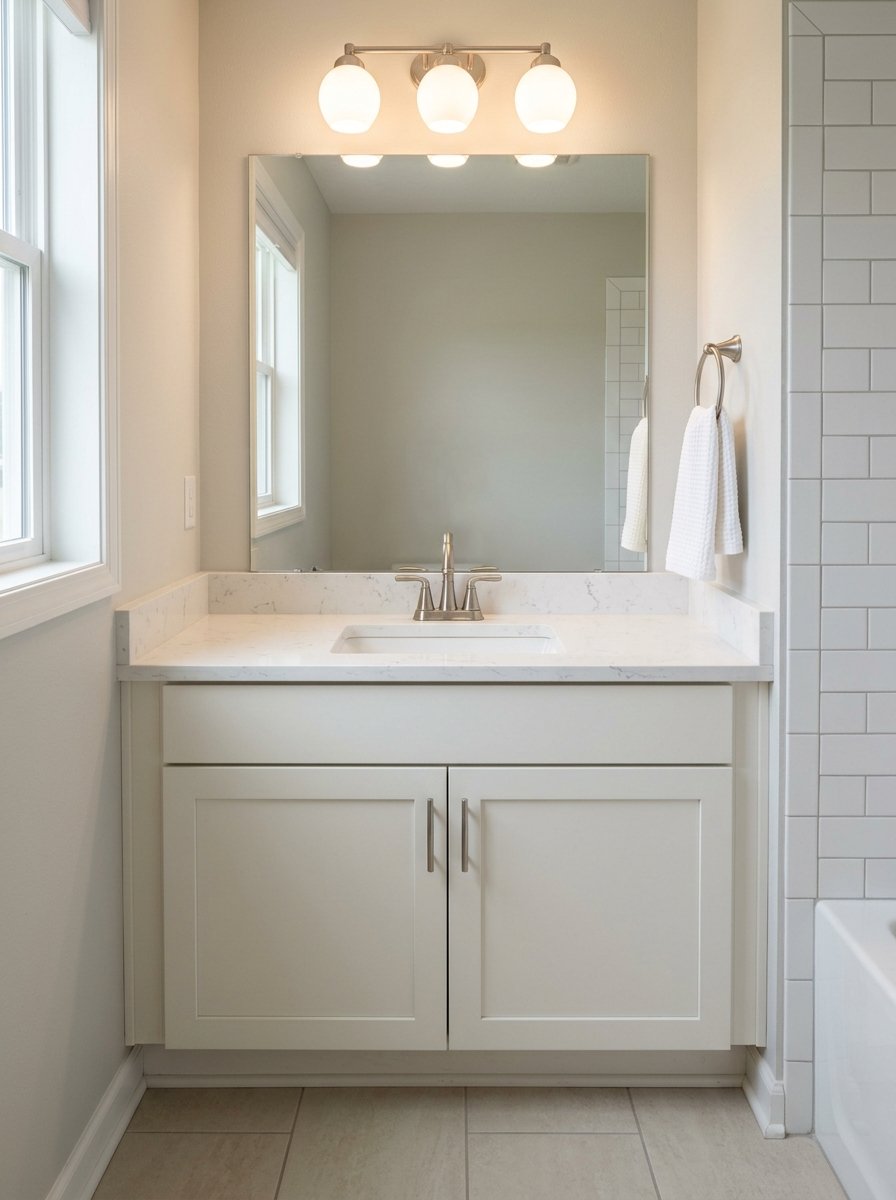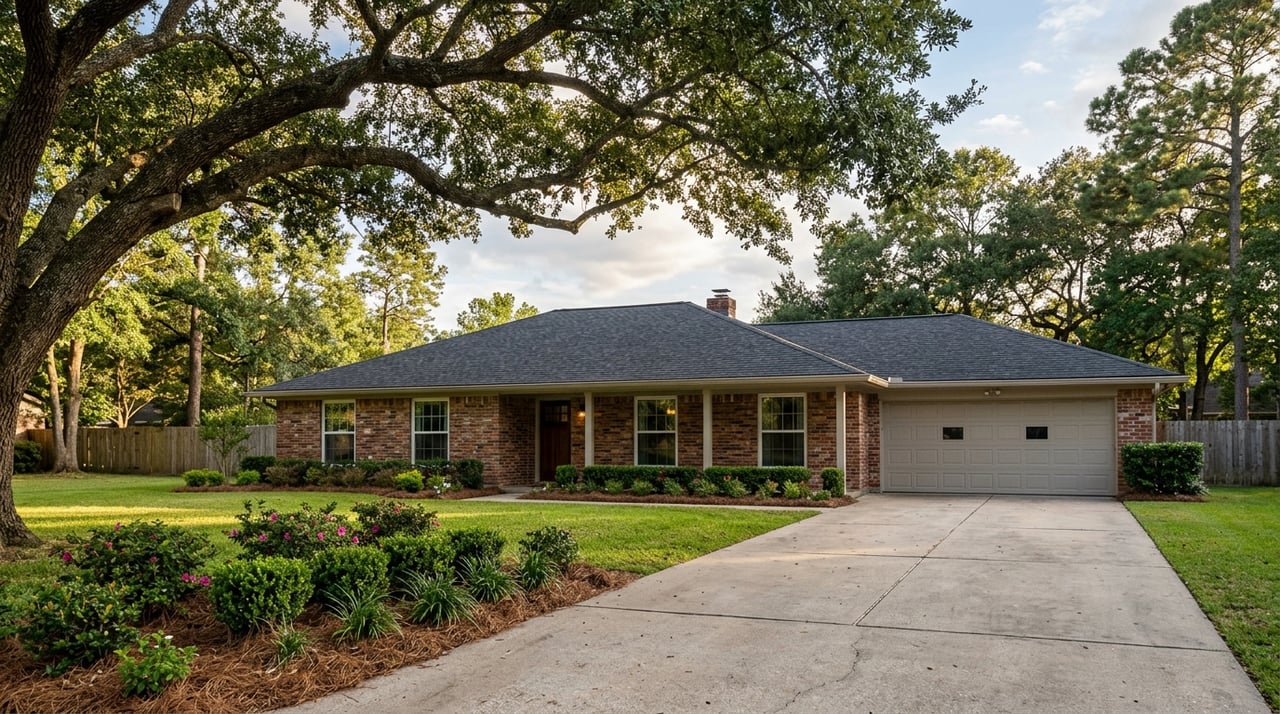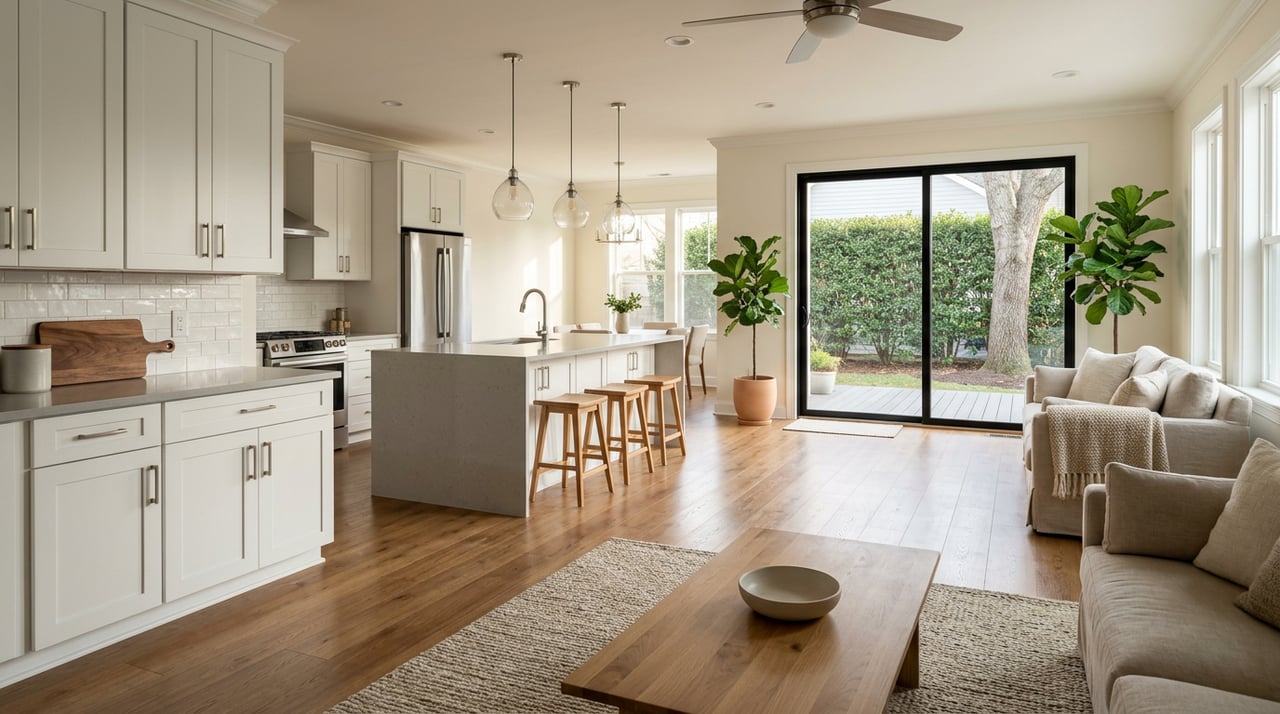
If your perfect weekend is a backyard cookout, a birthday brunch, or a game-night that runs long, you picked the right city. Virginia Beach gives you long warm seasons and plenty of chances to bring people together, inside and out. In this guide, you’ll learn the layouts locals love for easy hosting, the coastal rules that shape your options, and a simple checklist you can use on showings. Let’s dive in.
What works in Virginia Beach homes for hosting
Open main-floor plans and big islands
If you entertain often, open main-floor plans with a generous kitchen island make life easier. Renovation and design research highlights islands as the host hub for prep, serving and casual seating, and many homeowners are opening kitchens to living spaces to keep everyone connected. You can see this priority in nationwide design surveys that show islands front and center for today’s kitchens, with seating and layered lighting as must-haves for function and mood source: Houzz 2024 Kitchen Trends.
When you tour, look beyond the photo-ready finishes and ask: Can two people cook comfortably? Are sightlines from the sink or island open to the living room and patio doors? For fast field checks, designers use NKBA-style clearances such as 36 inches for walkways and 42 to 48 inches for work aisles. Those measurements determine whether an island is decorative or truly useful during a party. You can reference practical NKBA guidelines for aisle widths, overhangs and landing spaces in this concise overview of kitchen design rules from Simply Cabinetry’s NKBA guide here.
Indoor–outdoor flow you can use most of the year
Virginia Beach’s humid-subtropical climate brings long summers and mild shoulder seasons, so you can often open the doors for months at a time. Planning for shade, rain cover and airflow helps you manage humidity and pop-up storms and keeps gatherings comfortable across seasons. For climate context, you can review local normals and weather patterns published by the National Weather Service for the Hampton Roads area here.
Indoor–outdoor layouts that work well usually include wide sliders or folding doors from the main living area to a patio or porch. Covered patios and porches consistently rank among the most requested outdoor features, and builders are responding with more roofed outdoor rooms and durable hardscapes that extend usable time outside source: NAHB 2024 Trends.
Outdoor features buyers want now
If your calendar fills up with cookouts and holidays, focus on patios, porches and smart exterior lighting first. Research shows these features are high on buyer wish lists, which supports both daily enjoyment and future resale source: NAHB 2024 Trends. Fire features and outdoor kitchens add a wow factor and extend the season, especially when covered.
Thinking about return on investment? National remodeling summaries report that exterior projects like decks often recoup a meaningful portion of their cost at resale, with results varying by region and scope. A practical rule of thumb is to balance what you will use weekly with what future buyers will value. See an accessible overview of which projects tend to pay back more at sale in this Cost vs. Value rundown from Kiplinger here.
Flexible bonus and service spaces
Because basements are uncommon in our coastal plain, above-grade bonus rooms often do the job of a rec room or media space. A finished loft, den, or flex dining area can give kids a place to spread out for games while adults gather near the kitchen. For the host, a walk-in pantry or a small butler’s station adds much-needed staging space for trays, drinks and cleanup.
If you are new to the area, it helps to know why basements are rare. The Hampton Roads region has a high water table, which makes typical below-grade basements less practical; many homes here sit on slabs or crawlspaces. You can read a simple explanation of basement patterns in Virginia from a regional foundation expert here.
Ergonomics, lighting and quiet comfort
Open plans can get loud during a full house. Layered lighting, soft textiles and quieter appliances help you control the atmosphere during a party. Designers often recommend task lighting at the island, dimmable pendants for mood, and soft rugs or upholstered seating in conversation zones to dampen sound. Together, these choices make the same layout feel relaxed and welcoming even with a crowd.
Virginia Beach constraints to check before you build or buy
Flood zones, elevation and decks
If you are eyeing a home near the water or planning outdoor upgrades, verify the property’s flood zone and ask how that affects foundation, deck and first-floor design. Virginia Beach participates in the National Flood Insurance Program and maintains an online floodplain resource that links to maps, guidance, and permitting steps for projects in AE or VE zones. Start with the city’s floodplain management page to understand site-specific requirements and available tools here.
Many coastal homes rely on raised first floors or pilings, and outdoor kitchens or covered decks may need special footings, elevated construction or additional inspections. If your plan adds gas lines or electrical service to a new structure, expect more review. Before you invest, ask your contractor and agent for the permit history and what will be required to bring new or existing work to code.
Basements are rare, so plan above grade
In Norfolk–Virginia Beach, basements are not a go-to solution for extra entertaining space. That means your best options are often a reworked main floor, a finished room over the garage, or a conditioned sunroom that opens to the yard. This regional pattern ties back to high water tables and coastal soils, described in more detail in this Virginia-focused overview of basement prevalence here.
Short-term rental rules if you plan to rent
Hosting friends is one thing; renting your home short-term for events or vacation stays is another. Virginia Beach requires short-term rental permits, registration with the Commissioner of the Revenue, life and structural safety documentation, and transient-occupancy tax remittance. Some areas, including Sandbridge and the Oceanfront, have special overlay rules. If STR income is part of your plan, read the city’s short-term rental guidance and confirm what applies to your address here.
Touring checklist: Will this home host well?
Use this quick checklist during showings to spot winning layouts fast.
- Flow test: Walk the path between the kitchen, island, dining and patio with 6 to 10 people in mind. Look for pinch points and collisions. For simple pass or fail measurements, compare aisles and walkways to NKBA-style guidelines summarized in this practical reference to kitchen clearances and landing spaces here.
- Capacity test: Count real seats and service zones. How many can the island seat comfortably, and how many can the dining area handle without crowding? Islands that double as serving lines are a top hosting feature in national kitchen research source: Houzz 2024 Kitchen Trends.
- Staging and storage: Is there a walk-in pantry or a cabinet run that can serve as a beverage or buffet station? A little prep space away from the main cooktop helps during parties.
- Outdoor and site check: Ask about permits for decks, stairs and built-in appliances. If the property is near waterways, confirm the flood zone and whether any outdoor structures needed elevation or special footings under city rules outlined on the floodplain management page here.
- Safety and structure: During your tour, note signs of deferred maintenance such as soft decking boards, loose railings, water stains or musty HVAC smells. For a quick primer on common red flags buyers watch for, see this consumer-friendly checklist from Realtor.com here.
- If you plan to rent: Before assuming you can host paid events or vacation guests, verify short-term rental eligibility and requirements for your address using the city’s STR resource page here.
Two real-life hosting scenarios in Virginia Beach
Oceanfront or Sandbridge sunset gatherings
Picture this: the slider opens from your great room to a covered, elevated deck where the breeze keeps things cool and string lights set the tone. The island handles appetizers while doors stack back to blend inside and out. In coastal pockets like Sandbridge, homes often sit higher, so you will want to confirm flood zone, deck footings and any inspections needed for outdoor kitchens. For a feel of the local beach district vibe and lifestyle, browse the city’s Sandbridge overview here.
What to look for: a main-floor plan that keeps sightlines from kitchen to deck, a covered outdoor area for pop-up showers, and stair access that makes moving trays safe and efficient.
Great Neck or Kempsville backyard barbecue
Now imagine a shady backyard in Kempsville or Great Neck with a covered patio just off the kitchen. Yard games in the grass, a grill zone under cover, and plenty of casual seating make hosting simple. Because many homes here were built in the 1970s and 1980s, some still have more formal, segmented rooms. If an open flow matters to you, look for listings that have already reworked walls or consider a light renovation to connect the spaces. Parking and driveway capacity also help when friends drop by often.
What to look for: a sliding door from the kitchen to patio, a workable island for serving, and a bonus room or den that lets different groups spread out comfortably.
Buying or renovating with resale in mind
You will get the most value from upgrades you use often. Patios, porches, quality lighting and simple landscaping can make a big difference in daily life and are commonly high on buyer wish lists. Covered outdoor rooms and outdoor kitchens can extend your season and add appeal, although the dollar-for-dollar payback may be lower than a modest kitchen refresh. National remodeling summaries suggest exterior projects like decks often have meaningful recoup percentages at sale, with results depending on design, materials and local demand. Get a helpful overview of which projects tend to pay off more at resale from Kiplinger’s Cost vs. Value insights here.
When in doubt, prioritize flow and function first. A good island, safe exits to a covered outdoor space, and a flexible bonus room will serve you during every gathering and appeal to a wide range of future buyers.
Ready to find your fit?
If entertaining is part of your Virginia Beach lifestyle, the right layout will make it easy. From floodplain checks to kitchen clearances, an experienced local guide can help you spot layouts that work and avoid costly surprises. When you are ready to tour the neighborhoods that match your style and budget, reach out to Alison Mccarthy for local guidance and a smooth, confidence-building process.
FAQs
What is the best home layout for entertaining in Virginia Beach?
- Open main-floor plans with a generous kitchen island, clear sightlines to living areas, and easy access to a covered patio or porch tend to work best for hosting.
How do flood zones affect outdoor projects near the beach?
- Flood zones can require elevated construction, specific footings, and additional inspections for decks and outdoor kitchens; verify your property’s zone on the city’s floodplain resources and plan permits accordingly.
Are basements common in Virginia Beach, and what should I plan instead?
- Basements are uncommon due to high water tables; plan for above-grade solutions like finished bonus rooms, conditioned sunrooms, or reconfigured main floors for extra gathering space.
Which outdoor features add the most value for frequent hosts?
- Patios, covered porches and good exterior lighting are widely desired and practical; outdoor kitchens and fire features add appeal and extend the season but may have more variable resale payback.
What kitchen measurements should I check on a showing?
- Look for roughly 36 inches of walkway and 42 to 48 inches in work aisles, plus enough island overhang for comfortable seating; these NKBA-style clearances help avoid bottlenecks.
Can I rent my home short-term for events or vacations in Virginia Beach?
- Possibly, but you must meet city requirements that include permits, registration and taxes; Sandbridge and the Oceanfront have special overlay rules, so confirm what applies to your address before listing.