If you picture Virginia Beach as one long stretch of the same beach lifestyle, you may be surprised by what daily life actually looks like. Living near the water here can mean boardwalk energy, a quieter residential feel, or a more traditional neighborhood routine with the beach still close by. If you are trying to figure out which version fits you best, this guide will help you see the tradeoffs more clearly. Let’s dive in.
Beach living is not one thing
Virginia Beach works more like a collection of coastal lifestyles than a single beach town. City planning documents separate coastal areas from inland areas, which helps explain why one part of the city can feel busy and urban while another feels more relaxed and residential.
That matters when you start thinking about where you want to live. Your version of beach living might mean walking to the sand, hearing summer activity outside your door, or simply being a short drive away when you want it.
Oceanfront living feels active and walkable
If you want the most energetic version of beach life, the Oceanfront is the clearest example. It is home to the three-mile boardwalk, ocean-view dining, hotels, shopping, attractions, and frequent entertainment. This is the part of Virginia Beach that feels the most visitor-facing and the most built around activity.
For some buyers, that is exactly the appeal. You can be close to restaurants, events, and the shoreline in a setting that feels lively for much of the year.
The Resort Area has a year-round feel
Virginia Beach is planning the Resort Area as a year-round coastal community for both residents and visitors. That gives you a sense of how the city sees this part of town. It is not only a seasonal destination, but also a place where everyday living and visitor activity overlap.
If you live here, your routine may include more foot traffic, more event energy, and a stronger connection to the tourism side of the city. For the right buyer, that can feel fun, convenient, and full of life.
Parking is part of the Oceanfront lifestyle
Near the Oceanfront, parking is not just a small detail. It is part of how the area functions day to day. The Resort Area includes three municipal garages with more than 1,670 spaces and three municipal lots with more than 300 spaces.
On-street meters are seasonal and enforced from April 1 through October 31. The city also notes average short stays and frequent turnover, which tells you the area is designed for active use rather than long-term curbside parking. There is also a $50 annual parking voucher for residents for participating Resort Area garages, lots, and designated metered spaces.
Croatan and Sandbridge feel calmer
Not every beach area in Virginia Beach has the same pace. Croatan and Sandbridge offer a much quieter experience than the Oceanfront, even though both still give you strong access to the coast.
The city describes Croatan as a favorite of surfers and families, with practical beach amenities like restrooms and showers. Sandbridge is known for 4.5 miles of more secluded beach and is often described as feeling like a different world from the Oceanfront.
Sandbridge offers a quieter beach setting
If your dream of beach living includes less activity and a more residential rhythm, Sandbridge may be the strongest fit. It is positioned as the calmer alternative to the Oceanfront, with a more tucked-away feel.
That does not mean it is free of practical considerations. The city notes that parking is limited at Sandbridge Beaches, which is an important part of what daily access can feel like during busier times.
Croatan blends beach access and a local feel
Croatan often lands somewhere between the energy of the Oceanfront and the quieter feel of Sandbridge. You are still in a coastal setting, but the atmosphere is more relaxed and less centered on visitor activity.
For buyers who want to be near the water without feeling like they live in the middle of an event district, this kind of setting can be a compelling middle ground.
Inland Virginia Beach offers balance
For many people, beach living in Virginia Beach does not mean living directly by the sand. Farther inland, the city becomes more conventionally residential, with neighborhoods, shopping centers, and employment areas shaping everyday life.
This setup can be a great fit if you want beach access without making it the center of every errand or evening. You can enjoy the coast when you want it, while keeping a more familiar day-to-day routine.
Town Center changes the daily experience
Town Center is a good example of this inland lifestyle. It is a quick drive from the Oceanfront and includes more than 25 restaurants and nearly as many shops.
That means your social and practical life may revolve less around the beach district and more around nearby conveniences. For some buyers, that balance feels easier to maintain over the long term.
Home styles change by location
One of the biggest differences in Virginia Beach living is the kind of home you are likely to find. The city’s planning framework shows that coastal areas often include moderate- to higher-density development with both single-family and multi-family homes.
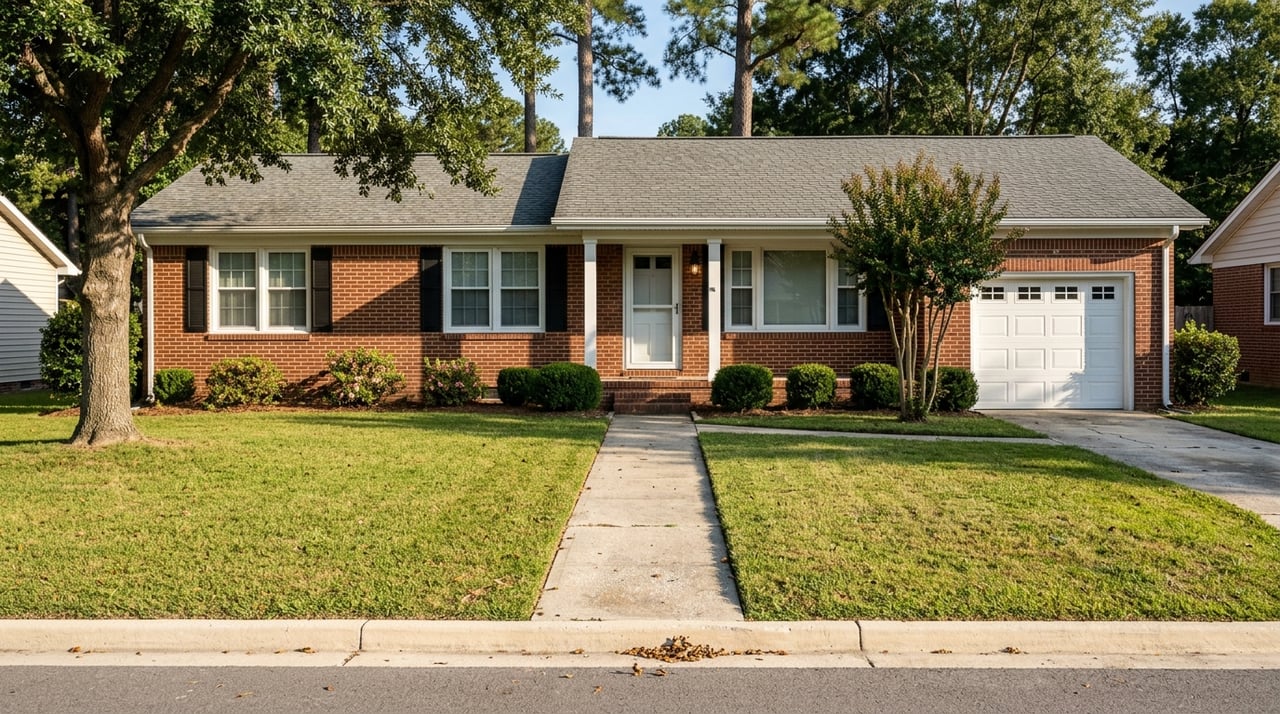
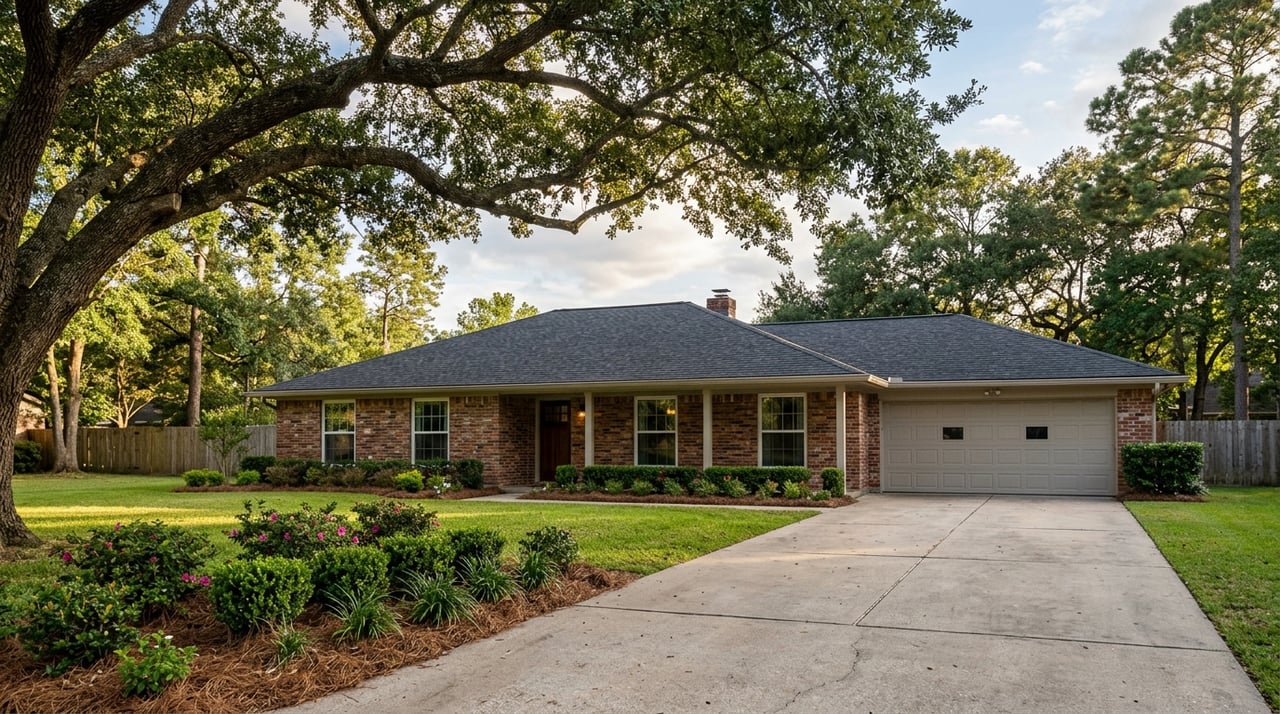
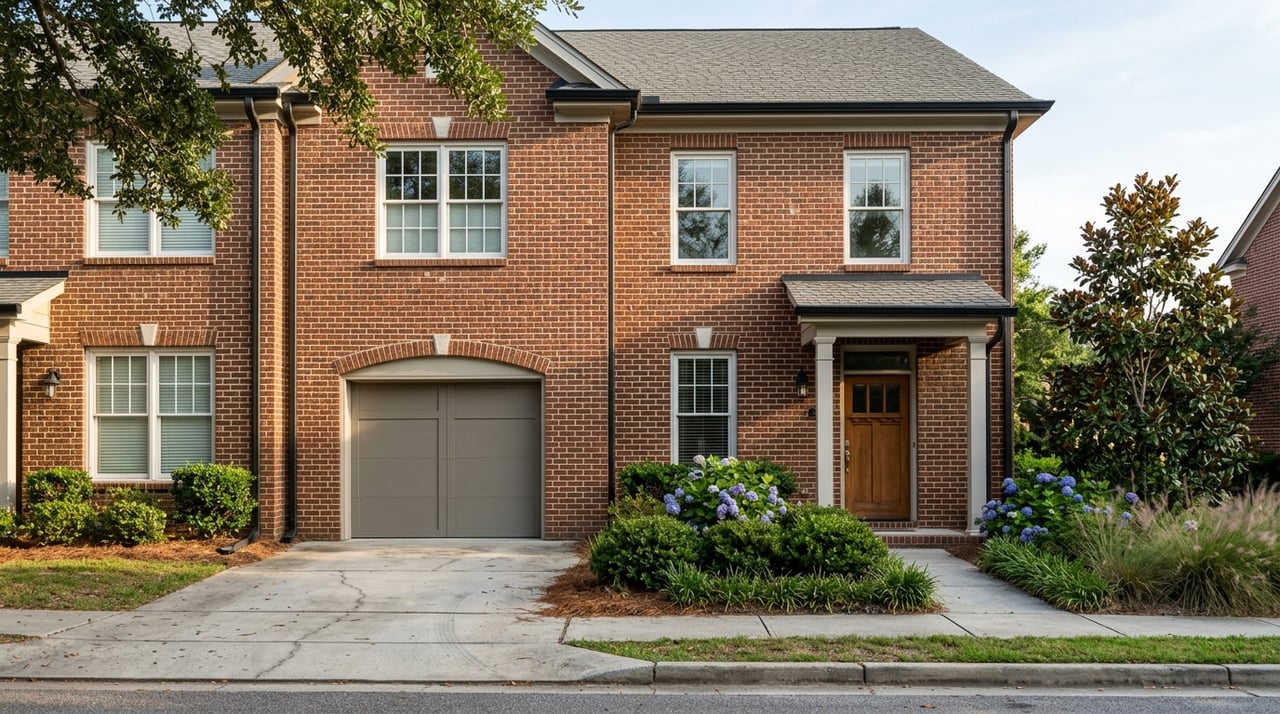
Farther inland, lower-density single-family neighborhoods are more common, along with areas that mix single-family homes, townhomes, and apartments near neighborhood commercial uses. In simple terms, home choice changes a lot depending on how close you want to be to the water.
Near the beach, space may trade for location
The closer you get to the resort strip, the more likely you are to see compact, design-managed development instead of large-lot suburban patterns. The Oceanfront Resort District uses form-based zoning and design guidelines that focus on building form, placement, and street relationship.
For buyers, the practical takeaway is straightforward. Near-beach living often means prioritizing walkability and location over larger lots and added privacy.
Inland areas offer a broader mix
Inland neighborhoods usually provide a broader mix of home types and a more conventional neighborhood feel. That can be appealing if you want more separation from visitor activity or if you simply prefer a more traditional residential setting.
This is one reason Virginia Beach can work for many kinds of buyers. You are not choosing between beach life and non-beach life as much as choosing where on that spectrum you want to land.
Coastal upkeep is real
Beach living can be beautiful, but it also comes with more maintenance. In marine environments, salt is pervasive, and corrosion is a major factor in long-term wear on exterior materials.
The closer you live to the water, the more likely you are to notice the effects on railings, fasteners, finishes, and other outdoor features. That does not mean coastal ownership is a bad choice. It simply means you should go in with clear expectations.
Landscaping near the coast works differently
Yards near the beach can also need a different approach. Coastal conditions often include salt spray, wind, poor soil, dry conditions, shifting sands, and overwash, all of which can limit plant choices.
In practice, coastal-adapted or native plantings may be easier to maintain. If outdoor space matters to you, it is worth thinking not just about how a yard looks on day one, but how it will perform in a coastal setting over time.
What beach living really means for you
The best fit depends on what you want your days to feel like. If you want activity, walkability, and a front-row seat to the city’s most energetic beach district, the Oceanfront stands out.
If you want a quieter setting, Sandbridge offers a very different pace. If you want everyday convenience with the beach still nearby, inland Virginia Beach may give you the easiest balance.
A big part of buying well in Virginia Beach is matching the home to the lifestyle, not just the map pin. That is where local context really matters, because two homes in the same city can deliver very different daily experiences.
If you are thinking about buying or selling in Virginia Beach and want help narrowing down the right lifestyle fit, Alison Mccarthy can help you compare neighborhoods, home styles, and day-to-day tradeoffs with a local perspective.
FAQs
What does Oceanfront living in Virginia Beach feel like?
- Oceanfront living feels active, walkable, and event-driven, with the boardwalk, restaurants, shopping, attractions, and seasonal entertainment all close by.
What is the quieter beach area in Virginia Beach?
- Sandbridge is the strongest contrast to the Oceanfront, with 4.5 miles of more secluded beach and a calmer, more residential feel.
What should buyers know about parking near the Virginia Beach Oceanfront?
- Parking is a real part of daily life near the Oceanfront, with city garages, lots, seasonal metered spaces, and a resident voucher program helping manage access.
How do homes near the beach differ from inland Virginia Beach homes?
- Near-beach homes are often in more compact, higher-density settings, while inland areas usually offer a broader mix of home types and a more traditional neighborhood pattern.
Is beach home maintenance higher in Virginia Beach?
- Homes closer to the coast often need more attention because salt, wind, and coastal conditions can increase wear on exterior materials and affect landscaping choices.
Can you enjoy beach living in Virginia Beach without living on the Oceanfront?
- Yes, many buyers choose inland neighborhoods or areas like Croatan or Sandbridge so they can enjoy beach access without making the busiest coastal district part of everyday life.