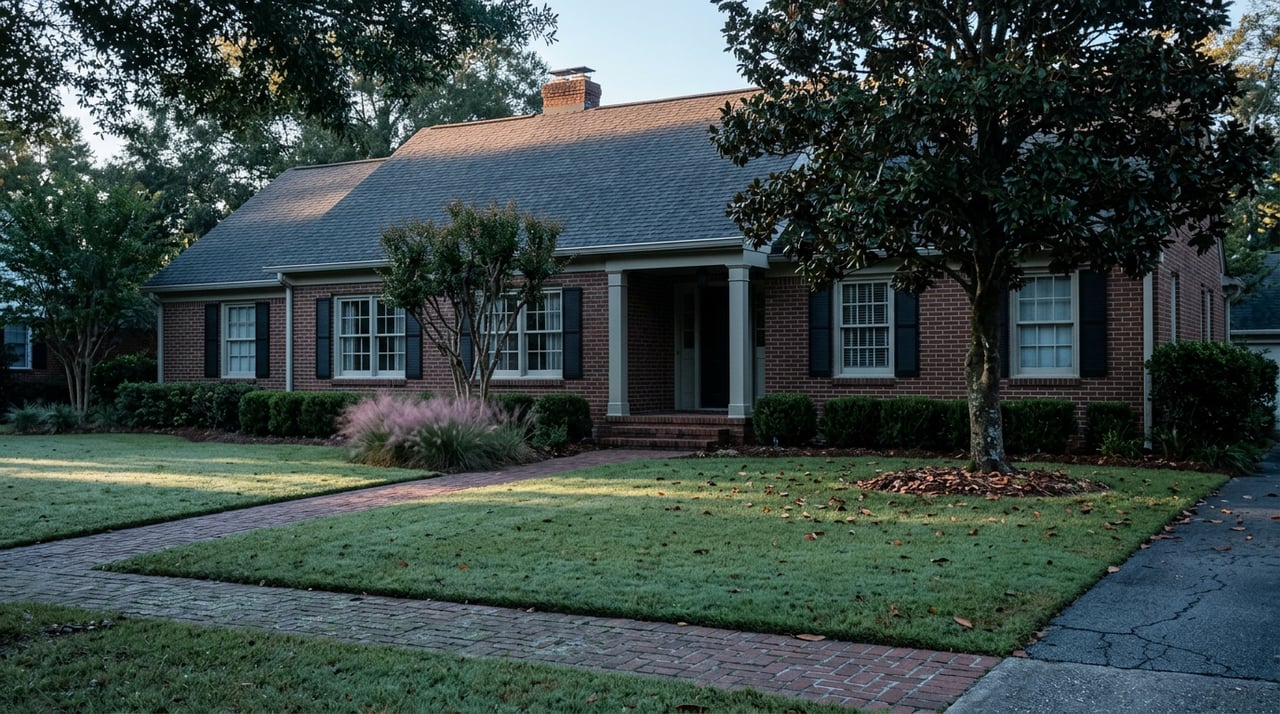
Selling your home can feel like one long question mark. How long will it take, what can slow it down, and what should you do first? If you are planning to sell in Virginia Beach, the good news is that the timeline is often more predictable than people expect. With the right prep and a clear plan, you can move from consultation to closing with fewer surprises. Let’s dive in.
What the Virginia Beach timeline looks like
In today’s Virginia Beach market, a well-priced home often moves fairly quickly once it goes live. Current local data shows homes going pending in roughly 22 to 26 days, with Realtor.com reporting a median 25 days on market in April 2026 and a 100% sale-to-list ratio on average.
That means the biggest timeline factors are often not the days spent waiting for an offer. Instead, your schedule is usually shaped by pre-listing prep, required paperwork, and the contract-to-closing period after you accept an offer.
For many sellers, a realistic planning range is about 7 to 10 weeks from list date to closing. If your home needs more repairs or decluttering before it is market-ready, you should expect that timeline to stretch.
Step 1: Consultation and pricing
The first step is your listing consultation. This is where you look at your home, review current market conditions in Virginia Beach, and talk through pricing, timing, and the work needed before launch.
This stage can move quickly. In many cases, the valuation conversation and pricing strategy take just a few days, especially when you are ready to make decisions and move forward.
A strong pricing plan matters because Virginia Beach is currently considered a balanced market. Homes are not sitting for months in most cases, but buyers are still paying attention to condition, value, and how a home compares to competing listings.
Step 2: Pre-listing prep and paperwork
Before your home hits the market, there is usually a prep window of several days to a few weeks. This is often the most flexible part of the timeline because every property starts in a different place.
Your prep period may include:
- Decluttering and packing
- Minor repairs
- Cleaning and touch-ups
- Staging
- Professional photography
- Listing description and launch materials
If your home is already in strong showing condition, this phase may be short. If you need heavier repairs, more detailed staging, or time to gather documents, it can take longer.
For sellers who want to maximize presentation, this is where strong listing craftsmanship can make a real difference. Thoughtful staging, polished photography, and a clean launch plan help your home make a stronger first impression when it finally goes live.
Don’t wait on disclosures
In Virginia, the Residential Property Disclosure Act requires sellers of residential real property to furnish a disclosure statement. That statement says the owner makes no representations or warranties about the property’s condition and encourages the buyer to perform due diligence, including a home inspection.
While the form itself is straightforward, timing matters. It is smart to have this disclosure ready before your listing goes active, or at the latest, before you are deep into offer conversations.
HOA documents can affect your timeline
If your property is part of an HOA or common-interest community, this is one of the biggest timing issues to watch. Under Virginia law, the seller or seller’s agent must obtain the resale certificate and provide it to the buyer.
The association has up to 14 days after a written request to deliver that certificate. If the certificate is more than 30 days old but less than 12 months old, it may also need an update before settlement.
That is why it helps to request HOA documents as early as possible. Waiting until after you accept an offer can create an avoidable delay.
Step 3: Going live and getting an offer
Once your home is ready and your marketing is in place, the listing goes live. In Virginia Beach, current market data suggests that a well-priced home often attracts an offer in about three to four weeks.
Of course, every property is different. Price point, condition, location within the city, and presentation all influence how quickly you move from active listing to ratified contract.
This is also where preparation pays off. If your home is priced well and presented clearly from day one, you are in a better position to attract serious buyers without losing momentum.
Step 4: Ratification starts the closing clock
After you accept an offer and the contract is ratified, the next phase begins. For a financed sale, this contract period usually takes 30 to 60 days.
This is the stage where many sellers feel like the hard part should be over, but there is still important work happening behind the scenes. The buyer’s financing, appraisal, title work, inspections, and any repair negotiations all have to come together before settlement.
A cash transaction may move faster than this. A financed transaction usually takes longer because lender timelines and underwriting requirements are part of the process.
Step 5: Inspection, negotiation, and appraisal
Soon after ratification, the buyer may complete inspections based on the contract terms. If the inspection reveals issues, there may be a round of repair discussions or negotiations.
At the same time, if the buyer is financing the purchase, the lender will usually order an appraisal. Appraisal timing matters because a low valuation or delayed report can affect the closing date.
This is one reason sellers benefit from handling obvious repairs before listing when possible. Fewer surprises during the inspection and appraisal stages can help keep the transaction moving.
Step 6: Title, underwriting, and final approvals
While inspections and appraisal are underway, the title company and lender are doing their own work. The title search checks for issues such as liens or defects that could affect the transfer.
The buyer’s lender is also reviewing income, assets, and loan documents during underwriting. Even when the home itself is ready, buyer-side financing issues can still slow things down.
If your property has an HOA, this is also the point where updated community documents may become important. A resale certificate that is too old before settlement may need to be refreshed, which can add time if no one planned ahead.
Step 7: Closing disclosure and final steps
As the closing date approaches, the buyer must receive the Closing Disclosure at least three business days before closing. That waiting period is required and can affect scheduling if numbers or documents come together late.
Buyers also typically complete a final walkthrough before closing to confirm the property’s condition and check that any agreed repairs are done. If work is unfinished, it can create last-minute complications.
For you as the seller, this is the time to finish move-out plans, confirm utility arrangements, and stay responsive if the settlement agent or title company needs anything else.
Step 8: Closing day and recording
Closing day is usually shorter than many sellers expect. The appointment itself often takes one to two hours when the file is clean, though the process leading up to that meeting is what takes most of the time.
It is also important to remember that settlement is not the final step the moment signatures are complete. Under Virginia law, the settlement agent must record the deed and disburse settlement proceeds within two business days of settlement.
In Virginia Beach, the Circuit Court Clerk’s Office records and permanently stores the city’s real estate records. So even after closing day, there is a short final stretch before everything is fully recorded and funds are disbursed.
A simple Virginia Beach seller timeline
Here is a practical way to think about the process:
| Stage | Typical Time |
|---|---|
| Consultation and pricing | A few days |
| Prep, staging, photos, paperwork | Several days to a few weeks |
| Active on market to offer | About 22 to 26 days on average |
| Ratified contract to closing | About 30 to 60 days |
If your home is market-ready and your paperwork is organized, the overall process can feel smooth and efficient. If repairs, HOA documents, title issues, or financing complications pop up, your timeline may stretch beyond this range.
Common delays and how to reduce them
Some delays are hard to predict, but others are avoidable. The most common trouble spots include:
- Late HOA resale documents
- Appraisal surprises
- Buyer financing problems
- Title defects or liens
- Unfinished agreed repairs
- Late delivery of disclosure paperwork
The best way to reduce delays is to start early and stay organized. Price your home with current market data, handle disclosures up front, request HOA documents right away if they apply, and complete as much prep work as possible before you list.
That approach does not guarantee a faster closing, but it does reduce the most common bottlenecks that can throw off your plans.
Why the right guidance matters
A home sale timeline is not just about dates on a calendar. It is about knowing which steps matter most, which items can wait, and which details can quietly delay your closing if no one catches them early.
If you are selling in Virginia Beach, local market knowledge and a strong launch plan can help you move with more confidence. Clear communication, polished presentation, and early attention to paperwork can make the path from consultation to closing feel much more manageable.
If you are thinking about selling and want a clear plan for your timeline, pricing, and prep, connect with Alison Mccarthy for a consultation and home valuation.
FAQs
How long does it usually take to sell a home in Virginia Beach?
- For a market-ready home, a reasonable planning range is often about 7 to 10 weeks from list date to closing, based on current local days-on-market data plus a typical financed closing window.
How many days are homes staying on the market in Virginia Beach?
- Current local data shows homes often going pending in about 22 to 26 days, which means many well-priced listings move in roughly three to four weeks.
What paperwork do Virginia Beach home sellers need before listing?
- Virginia sellers should be prepared to furnish the residential property disclosure statement, and sellers in an HOA or common-interest community should request the resale certificate early because timing can affect the transaction.
How long does closing take after accepting an offer in Virginia?
- For a financed sale, the contract-to-closing period usually takes about 30 to 60 days, depending on inspections, appraisal, underwriting, title work, and any repair negotiations.
What can delay a home sale in Virginia Beach?
- Common delay points include late HOA documents, appraisal issues, buyer financing problems, title defects or liens, unfinished repairs, and paperwork that is delivered too late in the process.